The Region
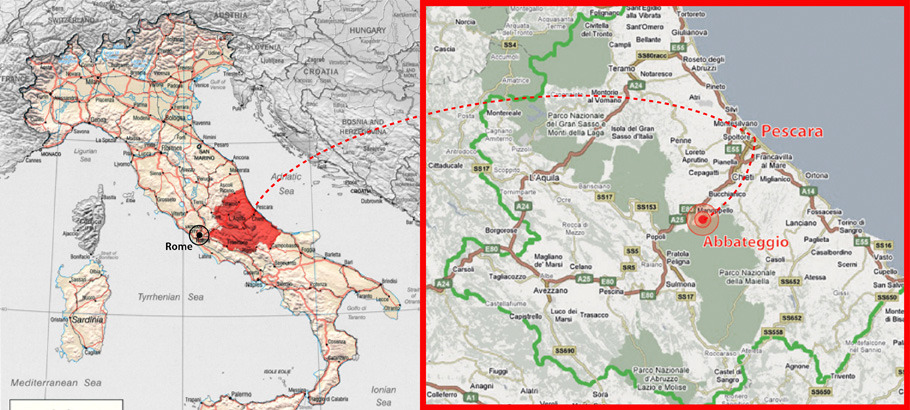
About a 1-3/4 hour drive from the Rome Airport, we will be based in a beautiful small village in the Eastern Italian province of Abruzzo, very near the Adriatic coast , at the gateway to the Majella National Park.
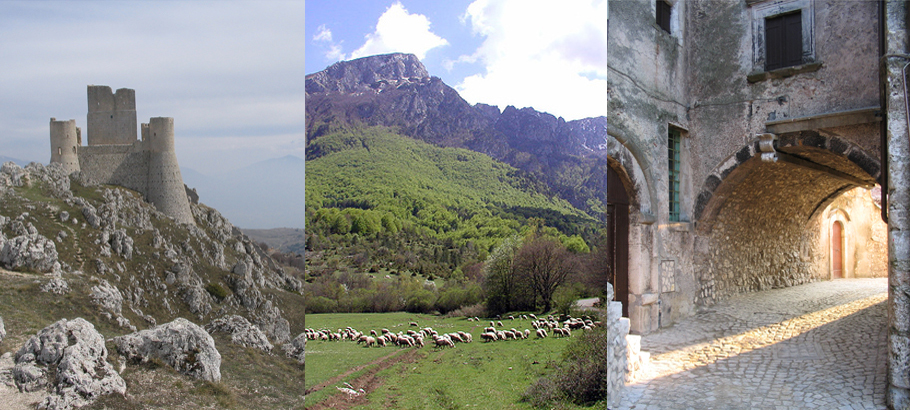
Historically, Abruzzo has been known as a pastoral and agrarian mountainous region. Its history of settlement dates to pre-Roman times. There is a rich history of the seasonal migration of shepherds and sheep that has left its mark on the landscape, architecture, and cuisine of the region. It has been an important region for food production, and major trade routes from the east for the wealthy Italian families of the western city states. This lack of attention from the outside world has left intact so much of the culture and traditions of the past. The chance to visit Abruzzo is a very special opportunity to see and feel a history that has built the romance of Italian culture.
Why this trip
If you are considering a trip to Italy, it is important to visit the special places of culture and art. The cities in Italy are dripping with beauty and history that is intimately tied to our own history, development, and experience. But to have a deep appreciation for this country and its culture, it is essential to get out of the city, get off the highway and settle for a moment in “the village”. During our time spent together in Abruzzo you will feel the pulse of Italian culture at its source: the village, the mountains, the sea. Most importantly you will be able to meet families that are living this life everyday, throughout the seasons: families who love their history and culture. There is no opulence here; however, there is an elegance in the way they live simply. It is not a “lifestyle choice” it’s just their life. The people we will spend time with are gentle, quiet, and strong. Once you begin to listen to their stories, it goes deeper and deeper, until in a moment, you realize how connected they are to you. Their story will become a part of your own, simply by spending time appreciating what is here.
My hope for you is that after you spend some time here, you will return again, as I have done, to enjoy different seasons over the rest of your life. Because once you have made a friend here, the door will always be open. That is something outstanding about the experience I have had in Abruzzo. The hospitality is genuine. Quite literally, the door is always open, and you will be welcomed back with open arms. There is always an extra place at the table, and there is always time to enjoy it.
Why Abruzzo
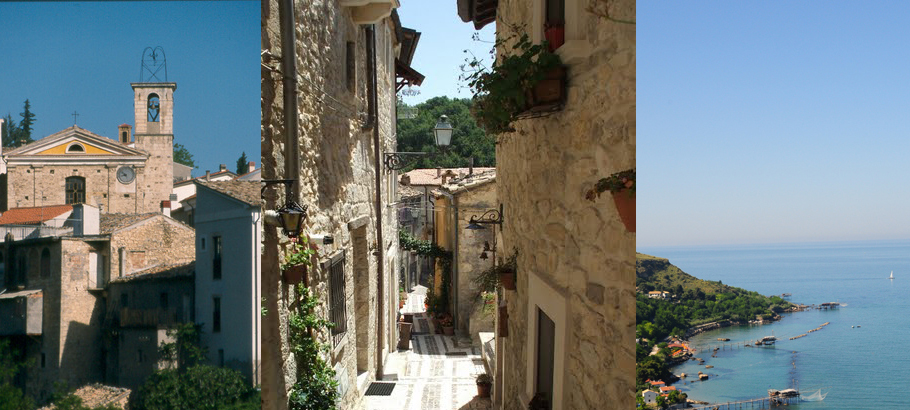
I chose Abruzzo for us to visit, not because it is necessarily better that any other region, but because it is a region that I have come to know little by little over the last 10 years. Perhaps even, Abruzzo chose me. I come back to this area time and time again because of the people I have come to know and for the simple rustic beauty of the mountains and the sea.
Historically, the people of the region were farmers and pastoral shepherds, raising predominantly sheep and the cuisine of the region still echoes that past with freshness and flavor that come directly from the land itself. There is a rich history of fishing and the seafood is bountiful and delicious. The red wine of the region is full and robust and the whites are crisp and delicate, matching perfectly the variety of flavors that come out of the kitchens of the region.
Over 30% of the region is dedicated to national parks. The regional government is actively involved in programs to protect and promote the understanding and appreciation of the natural environment. In the village where we are staying, we can see the efforts that the local government is diligently pursuing. From community based outreach and support of volunteers working on restoring the habitat, to a national literature prize awarded each year in the village for environmental literature, to national sporting events held in the park, the mayor and the residents of this tiny village are making a major impact on regional and national government policies, while working to protect their natural and cultural histories.
Life in Abruzzo is centered around the village, and Abbateggio is one of the most interesting and beautiful examples of it. The motto for Abbateggio has been “Big and Little” because this tiny village of 350 inhabitants has huge hearts open to welcome visitors, while at the same time it has also had a huge impact on protecting and enhancing the cultural traditions of the region. There are beautiful cities and towns that we will visit, but we are going to be based in the village. For people travelling to Italy from abroad there is the magical vision of Italian culture, art, and history. As visitors we are drawn to try to uncover these special moments that are embedded in this culture. I believe that the core of the Italian Story, the DNA of the culture if you will, is the structure of the family and its life in the village.
In every region in Italy you can hear this story told a little bit differently, in the recipes used in each kitchen, in the different grapes grown and wines produced in each region. You can hear the story in the way villages and towns were built relative to their geographic location and surrounding climate. If you listen closely you can hear the story in the multitude of dialects of Italian that are spoken within each region. Every bite, every taste, every conversation builds on the next weaving the story of a culture that has been visited, adored, and emulated for generations.
What else is going on in the region
Outdoor recreation abounds in every season: horseback riding, rock-climbing, mountain biking, hiking, and skiing. All are available and within 20-30 minutes of the hotel where we will stay. In fact in the winter, Abruzzo may be one of the only places on a clear day where you can ski down the mountain with views of the sea.
And one cannot forget the gorgeous coastline. Abruzzo is known for its mountains and breathtaking views, but it is also deeply loved for its beautiful beaches and delicious seafood. Pescara is an important port for trade across the Adriatic, and the coastline south of the city is a connected chain of wonderful small beach communities and fishing villages.
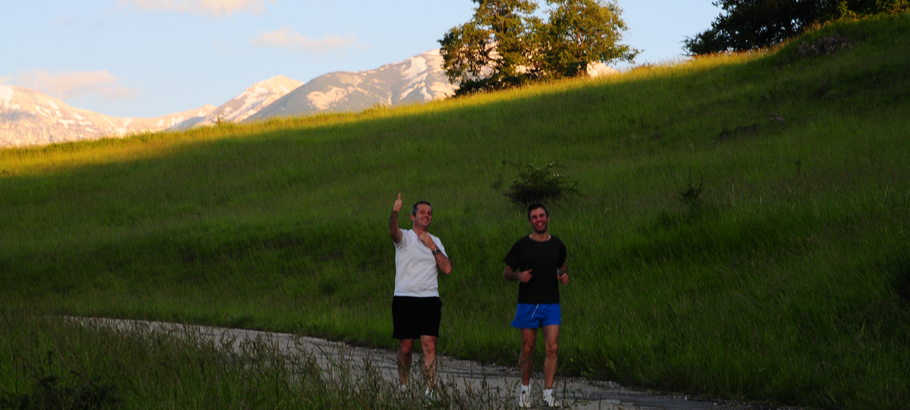
Meeting Mayor Antonio DiMarco on an evening run
 A Place I Know...